Wellness

Sustainable Luxury
Wealth, Wellness

Sustainable Luxury: Why I’m Investing in Quality Over Quantity in 2026

There was a time in my career when I thought abundance meant having more. More clothes in my closet, more gadgets on my desk, and more stamps in my passport, regardless of the quality of the experience. But as I’ve progressed, my definition of luxury has fundamentally shifted. In 2026, luxury isn’t about excess; it’s about intentionality. It’s the transition from a “consumer” mindset to an “investor” mindset in every aspect of life. Whether it’s the coat I wear to a board meeting or the hotel I stay in during a business trip, I now prioritize “Sustainable Luxury”—investing in assets that last, hold their value, and respect my time and the planet. 1. The Wealth Perspective: Cost-Per-Wear vs. Fast Fashion In the financial world, we talk about ROI (Return on Investment). Why should our lifestyle be any different? I’ve stopped buying “fast fashion” that falls apart after one season. Instead, I look for pieces with a high “Cost-Per-Wear” value. Buying one $1,000 blazer that stays perfect for a decade is a much smarter financial move than buying ten $100 blazers that lose their shape in six months. Sustainable luxury is an investment strategy for your wardrobe. When you buy quality, you aren’t just spending money; you are acquiring an asset that maintains its aesthetic and functional integrity. 2. Travel Logistics: Curating Experiences Over Checklists My travel philosophy has also undergone a “Quality Over Quantity” overhaul. I no longer try to visit five cities in ten days. That’s not travel; that’s logistics management. Now, I choose one location and invest in a “Deep Travel” experience. This means staying at eco-certified luxury boutique hotels that offer genuine connection to the local culture. By slowing down and choosing premium, sustainable options, I return to work feeling truly rejuvenated rather than needing a vacation from my vacation. In 2026, the greatest luxury is an uninterrupted, high-quality experience. 3. The “Quiet Luxury” of Timeless Design We are moving away from loud logos and fleeting trends. “Quiet Luxury” is about the stealth wealth of impeccable tailoring and superior materials. For a professional woman, this aesthetic communicates confidence and stability. I’ve applied this to my “Toolbox” as well. I’d rather have one high-end fountain pen or a single, perfectly designed laptop sleeve than a drawer full of plastic clutter. This minimalist approach reduces decision fatigue and allows my personal brand to remain consistent and sophisticated. 4. Investing in Artisanship and Heritage Sustainable luxury is also about supporting the people behind the products. I now look for brands with a story—artisans who have spent generations perfecting their craft. Whether it’s a hand-woven rug for my office or a bespoke suit, there is an inherent value in knowing that your purchase supports fair labor and traditional skills. This is “Conscious Wealth”—using your purchasing power to sustain what matters. 5. The Freedom of “Less” The ultimate benefit of investing in quality over quantity is the mental freedom it provides. When your environment is curated with only the best, most functional items, your mind is free to focus on high-level strategy and wealth creation. A cluttered life leads to a cluttered mind. By choosing sustainable luxury, you are essentially buying back your mental real estate. Final Thoughts Choosing quality over quantity is a discipline. It requires the patience to save for the right piece and the courage to say no to the “instant hit” of a cheap purchase. But the result—a life filled with meaning, durability, and true elegance—is worth every cent. Are you moving towards a more minimalist, high-quality lifestyle this year? I’d love to hear about the “investments” you’ve made in your own life. Reach out via the contact page and let’s discuss the evolution of luxury.

Biohacking for Women
Wellness

Biohacking for Professional Women: My Strategy for Focus and Energy in 2026

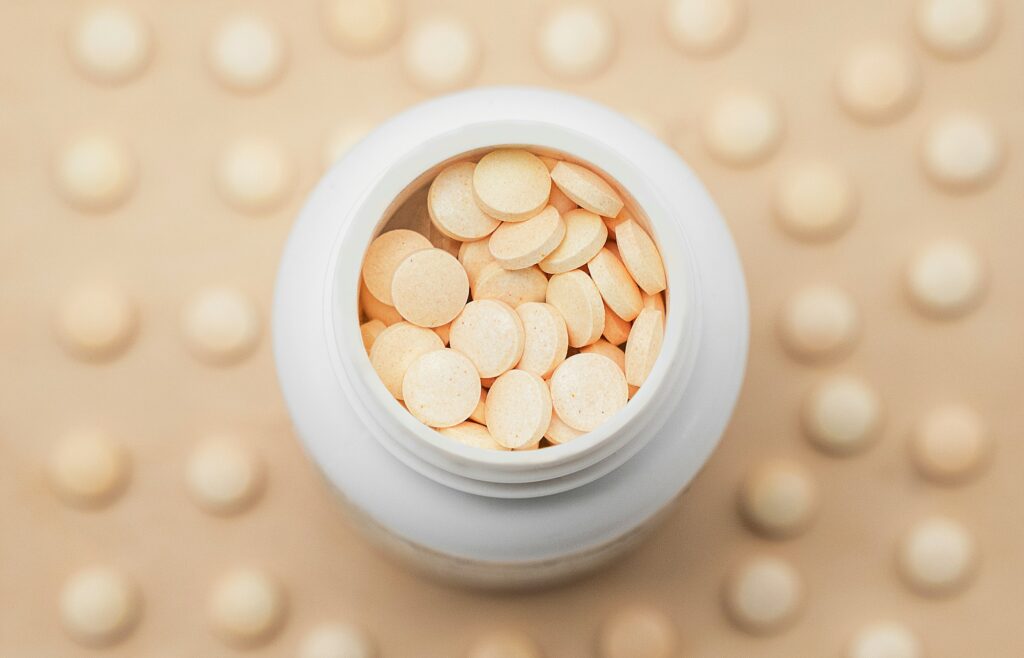
There was a point in my career where I thought “burning the midnight oil” was a badge of honor. I was fueling my 14-hour workdays with back-to-back espressos and sheer willpower. But by 2024, I hit a wall. I was making great money, but my brain felt like it had 50 tabs open, and 49 of them were frozen. I realized that if I wanted to lead in the 2026 economy, I couldn’t just work harder; I had to optimize my biology. Biohacking sounds like a “tech-bro” term, but for me, it’s simply about reclaiming my focus. Here is my personal, non-nonsense biohacking stack that keeps me sharp without the burnout. 1. Mastering the Circadian Rhythm for High-Stakes Days The most expensive mistake you can make is disrespecting your sleep. In my high-stakes weeks, I treat my sleep like a multi-million dollar contract. I started wearing a smart ring to track my recovery, and the data didn’t lie: my late-night laptop sessions were killing my next-day productivity. Now, I practice “Light Management.” I get direct sunlight in my eyes within 20 minutes of waking up to set my cortisol clock. In the evening, I switch to red-light mode on all my devices. It sounds simple, but the clarity I have at 9:00 AM now compared to two years ago is night and day. 2. Cognitive Fueling: Beyond the Caffeine Crash I love coffee, but I used to use it as a crutch. Now, I use it as a tool. I’ve adopted “Caffeine Cycling”—I don’t touch coffee until I’ve been awake for 90 minutes. This allows my natural adenosine levels to clear, preventing that dreaded 2:00 PM slump where most executives lose their edge. I’ve also added high-quality Omega-3s and Nootropics (brain-boosters) to my routine. I don’t follow every TikTok trend, but focusing on brain health rather than just “energy” has allowed me to sustain deep work sessions for 3-4 hours at a time without needing a sugar hit. 3. Strategic Cold Exposure for Resilience This was the hardest habit to start. Every morning, I end my shower with 2 minutes of freezing cold water. It’s brutal, but it’s a mental biohack. If I can handle the shock of a cold shower at 7:00 AM, that difficult negotiation at 11:00 AM feels easy. It triggers a massive release of dopamine and norepinephrine that stays with me all day. It’s like a “reset” button for the nervous system. 4. Continuous Glucose Monitoring (CGM) for Executive Focus I actually wore a glucose monitor for three months last year, even though I’m not diabetic. Why? Because I noticed my focus would vanish after certain “healthy” lunches. Biohacking taught me that my “healthy” quinoa salad was actually causing a massive glucose spike followed by a crash that made me irritable during afternoon meetings. Now, I prioritize “Protein-First” meals. Keeping my blood sugar stable is my secret weapon for staying calm under pressure. 5. Digital Minimalism and Neural Rest In 2026, the biggest drain on our biology is “context switching.” I’ve hacked my environment by using focus modes that block everything except essential business communications during my peak hours. I also practice “Non-Sleep Deep Rest” (NSDR) for 10 minutes in the afternoon. It’s a protocol that recharges the brain’s focus-capability faster than any nap ever could. Final Thoughts Biohacking isn’t about becoming a robot. It’s about removing the friction from your life so you can show up as the best version of yourself. For professional women, our energy is our currency. When we optimize our bodies, our business follows suit. Are you experimenting with any supplements or routines to stay sharp? I’d love to exchange notes. Reach out via my contact page—let’s discuss how we’re staying ahead in 2026.

Scroll to Top