The traditional “hustle culture” would have you believe that to be a high-performance woman, you must wake up at 5:00 AM, meditate for an hour, and drink a gallon of lemon water before the sun rises. Personally? I tried it, and it left me exhausted by noon.
In 2026, high performance isn’t about how early you wake up; it’s about how quickly you can align your biology with your business goals. I’ve traded rigid discipline for “Smart Routines”—using technology to shorten the gap between waking up and being in a state of flow. Here is how I use tech to power my mornings for maximum impact.
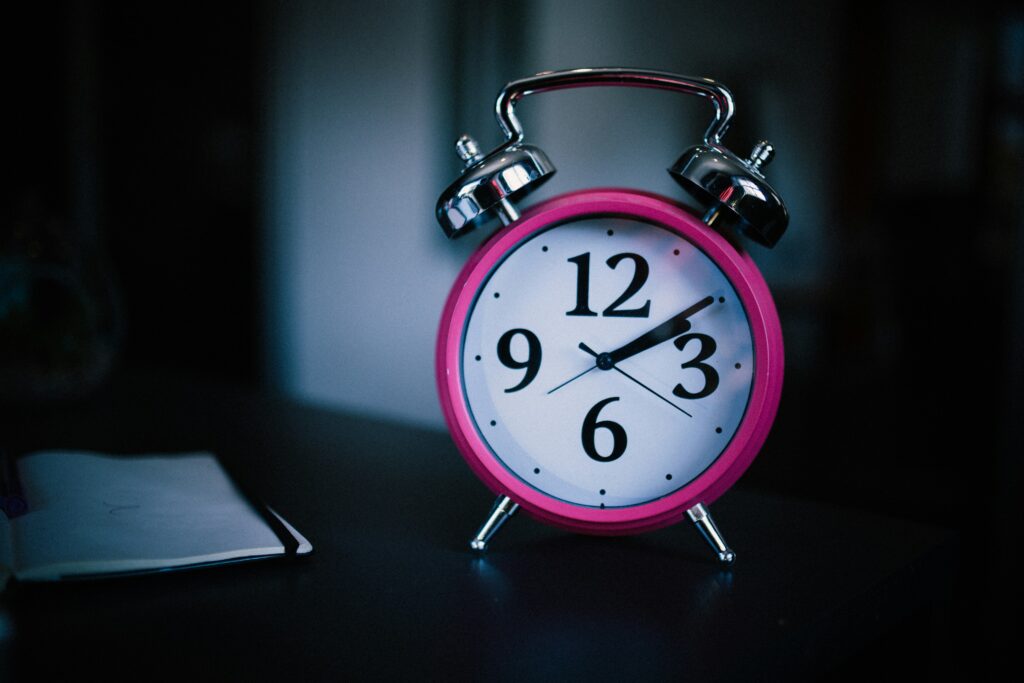
1. Data-Driven Awakening: Syncing with Your Sleep Cycle
I no longer use a traditional alarm clock that jolts me awake. That “shock” to the system causes a cortisol spike that can ruin your focus for hours. Instead, I use a smart sleep tracker integrated with a sunrise lamp.
The tech monitors my heart rate and respiratory patterns, waking me up during my lightest sleep phase within a 20-minute window. This ensures I wake up feeling refreshed rather than “groggy.” For professional women managing high-stakes projects, starting the day without brain fog is the ultimate competitive advantage.
2. The AI Morning Briefing: Eliminating Reactive Thinking
The moment most people wake up, they check social media or emails, immediately putting their brains into a “reactive” state. I’ve automated this away.
While I’m having my first glass of water, my AI assistant reads me a 120-second customized briefing. It summarizes my top 3 priorities for the day, highlights any urgent market shifts relevant to my investments, and gives me a “sentiment analysis” of my upcoming meetings. This allows me to process information passively while my brain is still warming up, keeping me in the driver’s seat of my day.
3. Biofeedback and Mindset Calibration
Meditation is powerful, but “Biofeedback-assisted meditation” is a game-changer. I use a wearable device that tracks my brainwaves or heart rate variability (HRV) during a quick 10-minute session.
The tech gives me real-time sound cues—calm weather sounds when I’m focused, and stormy sounds when my mind wanders. This immediate feedback has shortened the time it takes for me to reach a “calm-alert” state from months of practice to just a few minutes. In 2026, we don’t have time to guess if our mindfulness is working; we need to know.
4. Nutritional Tech for Metabolic Clarity
I’ve integrated a smart water bottle and a nutrition app that syncs with my wearable data. If my sleep was poor or my recovery score is low, the app suggests a specific macronutrient balance for breakfast to stabilize my energy.
I use tech to ensure I’m not just “eating healthy,” but eating specifically for the cognitive load I’m about to face. If I have a 4-hour negotiation ahead, my morning fueling looks very different than if I have a creative “deep work” block.
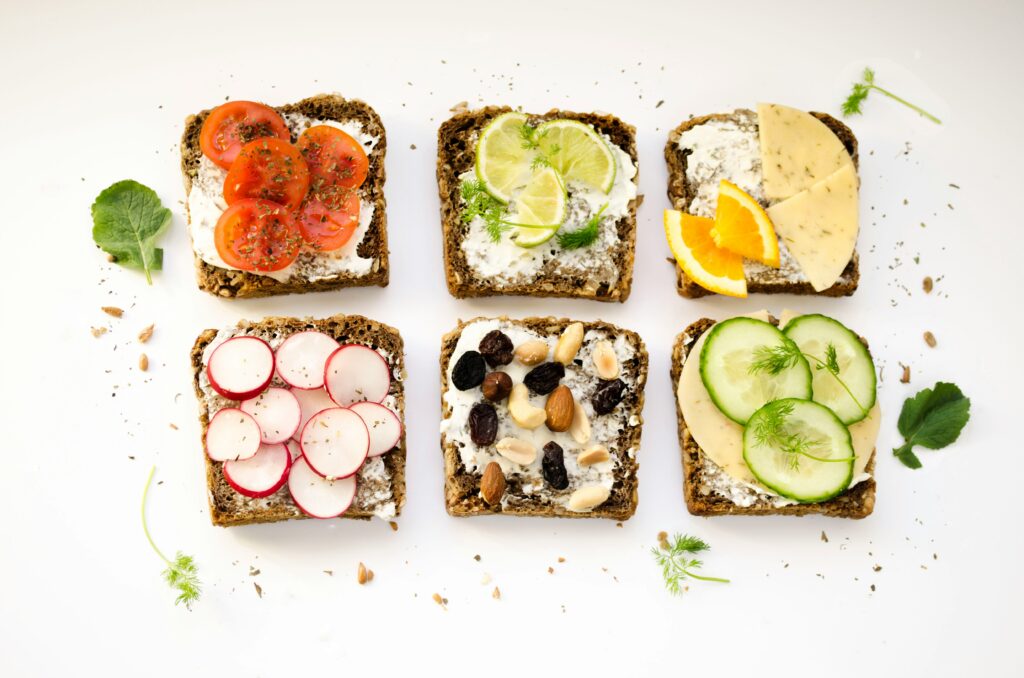
5. The “Deep Work” Launchpad
Before I even open my laptop, I use a focus-enhancing software that pre-sets my digital environment. At 9:00 AM, my phone automatically enters a custom “Executive Focus” mode—blocking all notifications except for a whitelist of “VIP” contacts. My desktop opens only the three documents I need for my primary task. By using tech to build a “digital wall” around my morning, I protect my highest-value hours from the noise of the world.
Final Thoughts
A morning routine should be a launchpad, not a cage. By leveraging tech, we can stop “forcing” ourselves to be productive and start designing environments that make success inevitable.
What’s your one “must-have” tech tool for a productive morning? I’m always looking to update my toolkit. Send me a message through the contact page and let’s optimize together.